Healthy Halloween: What’s a Parent to Do?


Halloween: a holiday that lasts one evening but can feel like an entire month devoted to collecting candy! If you are a parent trying to help your children develop healthy eating habits, this can be one of the year‘s most challenging holidays. How do you let your children enjoy the excitement without turning the evening into a battle over sweets?
Fortunately, there are ways to make Hallowe’en fun while encouraging a healthy relationship with food. Here are some of my favorite suggestions from the naturopathic parenting toolbox!
Keep the fun in Halloween
Remember that candy is only one small part of what makes Halloween exciting. Emphasize the costume, the parties, the decorations, the neighborhood festivities, and the fun of carving pumpkins. Visit a pumpkin patch, go apple picking, jump in piles of leaves, or take a walk to enjoy the fall colors.
The more your children associate Halloween with fun experiences rather than simply accumulating candy, the more opportunities they have to enjoy the holiday beyond the treats.
Serve a satisfying dinner before trick-or-treating
Children who head out hungry may be more inclined to snack on candy along the way. A satisfying dinner before you leave can help them start the evening with their nutritional needs met.

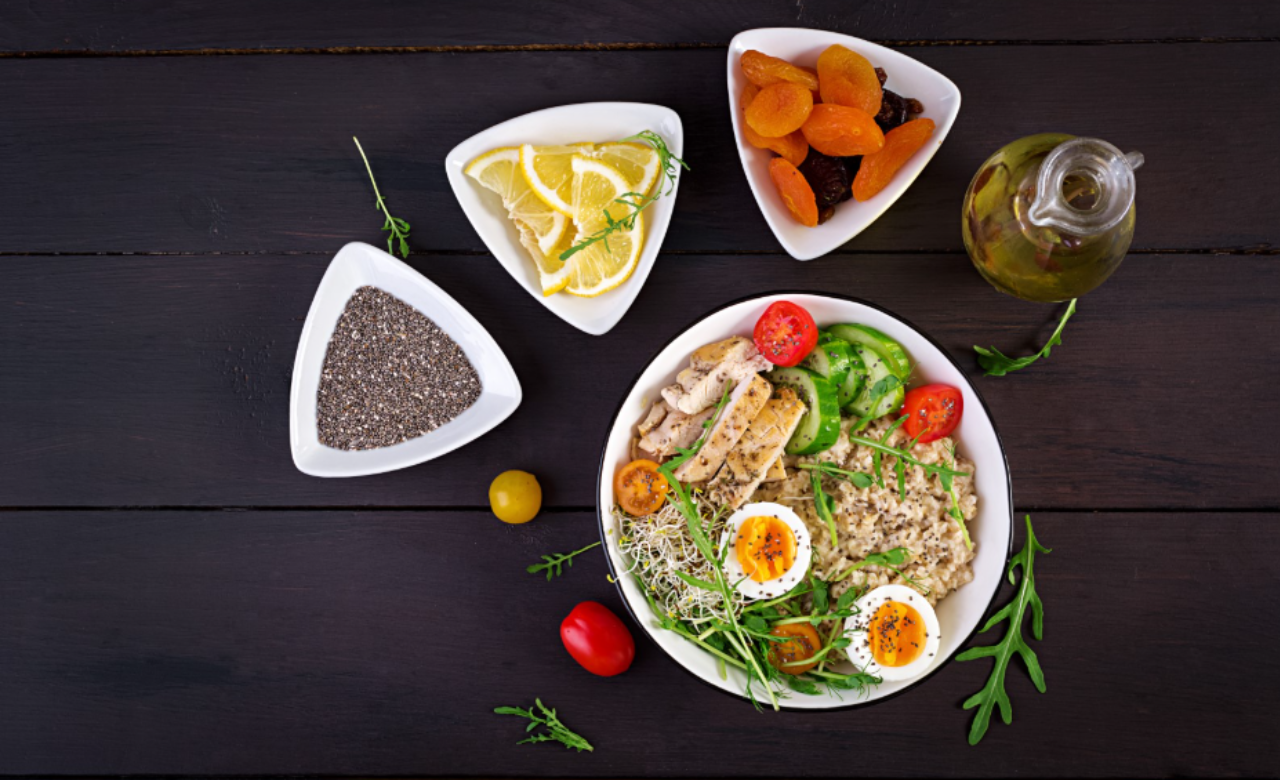
Aim for a balanced meal that includes protein, vegetables or fruit, and sources of fiber and healthy fats. Depending on your family’s preferences, this might be roast chicken with vegetables, chili with beans or meat, burgers with your favorite sides, or a hearty soup with whole-grain bread.
If you have a little extra time and enjoy getting creative in the kitchen, you can even make one of the wonderfully ridiculous Halloween-themed dishes that appear online this time of year. Delightfully disgusting recipes include “Feet Loaf, Meatball-stuffed Pasta Brain and Jack-o-Lantern Stuffed Peppers. These may not win any beauty contests, but they are certainly memorable and fit for the spooky Halloween bill!
Walk whenever you can
Walking from house to house is a wonderful way to get physical activity in the evening. Children get to explore the neighborhood, enjoy the excitement, and burn off some energy along the way.
Regular physical activity supports children’s cardiovascular and metabolic health, helps regulate blood glucose, and benefits mood, sleep, and cognitive function. The CDC recommends that school-aged children and adolescents get at least 60 minutes of moderate-to-vigorous physical activity daily.
One important clarification: exercise does not make sugar harmless, nor is intense exercise required for the body to process carbohydrates. The body normally regulates blood glucose through several mechanisms, including insulin. Walking is valuable for its many health benefits, not as a way to compensate for eating candy.
So put on those costumes, grab a flashlight, and enjoy the walk together!
Avoid turning sweets into a forbidden treasure
It is tempting to tell children that they can have candy only after they eat their vegetables, or to use sweets as a reward for good behavior. However, research suggests that the way parents talk about and manage food can influence children’s preferences and eating behaviors over time.
When sweets are consistently presented as a special reward and other foods as obligations, children may come to see the sweets as especially desirable. At the same time, pressuring children to eat can turn mealtimes into a struggle.
Instead, aim for a calm, consistent approach. Offer balanced meals and snacks, set reasonable expectations around treats, and let children enjoy sweets without making them the centerpiece of the evening.
This doesn’t mean candy needs to be available without limits. Parents can set appropriate boundaries while still respecting a child’s appetite and helping them learn to make choices. The goal is to keep food from becoming a source of shame, conflict, or excessive preoccupation.
Help children learn to recognize how they feel
If your child eats more candy than feels comfortable, resist the urge to lecture or say, “I told you so!”
Instead, use the experience as an opportunity for a gentle conversation. You might ask, “How does your tummy feel?” or “Do you feel comfortable, or would you like to take a break from eating for a while?”
Help them notice sensations such as fullness, stomach discomfort, thirst, or a change in how they feel. Keep the conversation curious and supportive rather than judgmental.
Children are still learning to recognize hunger and fullness, and they will not always get it right. With patient guidance, they can gradually develop a better understanding of their body’s signals.
It is also worth remembering that a child becoming energetic or excitable after eating candy does not necessarily mean that their blood sugar has spiked. Children’s excitement on Halloween may have just as much to do with costumes, friends, anticipation, and a late night as with the candy itself.
Enjoy the Season’s Vitamin A-Rich Foods

If you know that having a large bag of candy at home will create weeks of negotiations, consider planning with your child before trick-or-treating begins.
Some families allow children to choose a few favorite pieces and exchange the remainder for a small toy, book, puzzle, craft kit, or another activity they would enjoy. Other families donate unopened candy where an appropriate local program accepts it.
You might even introduce a playful “Switch Witch” tradition, in which the witch exchanges some of the candy for a surprise.
The important part is to make the arrangement collaborative rather than punitive. Explain the plan ahead of time, let your child participate in deciding how it will work, and follow through consistently.
Plan for the candy after Halloween

I generally recommend avoiding a situation in which a large bag of candy sits on the kitchen counter for weeks, with everyone helping themselves throughout the day. Repeated exposure to tempting foods, combined with easy access and established routines, can make mindless snacking more likely.
But there is no need to treat sugar as addictive for every child or assume that one piece of candy each day inevitably creates a harmful habit. What matters is the overall eating pattern, the child’s individual needs, and the routines established at home.
The American Academy of Pediatrics recommends keeping expectations around Halloween treats realistic, consistent, and positive, and suggests planning with children for how the candy will be enjoyed after the holiday.
Depending on your family, you might agree on a few pieces after dinner, keep candy out of constant view, or let your child select favorites and share the rest. Choose an approach that fits your child’s age and temperament and that you can maintain without daily conflict.
For younger children, remember that certain candies and small treats can pose choking hazards. Check treats before they are eaten, and avoid hard candies, gum, and other choking-risk foods for children who are not developmentally ready for them.
If your child has a food allergy, check out ingredient labels carefully and follow their established allergy management plan.
And if you have discovered a brilliant way to manage the post-Halloween candy stash without turning it into a family negotiation, please share it in the comments! I am always looking for new ideas.
Most of all, enjoy the holiday!
Healthy eating is not about getting every meal right or eliminating every sweet treat. It is about developing patterns that nourish our bodies while leaving plenty of room for pleasure, connection, and celebration.
Halloween offers a wonderful opportunity to practice that balance. Enjoy the costumes, the neighborhood walks, the pumpkin carving, and the evening’s excitement. Set reasonable boundaries around candy, model the habits you hope your children will develop, and remember that one night of treats is only one small part of a much bigger picture.
What are your favorite tips for a healthy, happy Halloween?
References
- Centers for Disease Control and Prevention. Physical Activity Guidelines for School-Aged Children and Adolescents. CDC.Physical Activity Guidelines for School-Aged Children and Adolescents
- Beckers D, Karssen LT, Vink JM, Burk WJ, Larsen JK. Food parenting practices and children’s weight outcomes: A systematic review of prospective studies. Appetite. 2021;158:105010. doi:10.1016/j.appet.2020.105010.
- American Academy of Pediatrics. Halloween Fun & Safety Tips for Kids of All Ages. HealthyChildren.org. Updated September 29, 2026. https://www.healthychildren.org/English/safety-prevention/all-around/Pages/Halloween-Safety-Tips.a…
Editorial note: Reference 2 should be verified against the original publication before you use it in a final, published article. For a directly relevant review with a verified publication record, you could instead cite:
Appleton KM, Hemingway A, Rajska J, Hartwell H. Repeated exposure and conditioning strategies for increasing vegetable liking and intake: systematic review and meta-analyses of the published literature. The American Journal of Clinical Nutrition. 2018;108(4):842–856. doi:10.1093/ajcn/nqy143.
https://www.allrecipes.com/gallery/halloween-dinner-ideas/
https://www.thespruceeats.com/spooky-halloween-dinner-ideas-5078291