Osteoporosis Treatment & Prevention: A Naturopathic Guide to Building Stronger Bones Naturally

Nearly one in five women over 50 in the United States has osteoporosis, and most of them had no idea until a fracture told them so. That is the nature of this condition: it is silent, gradual, and deeply underestimated, right up until the moment it is not.
What makes this particularly worth addressing is that bone loss is not an inevitable part of aging, and a diagnosis of osteopenia or osteoporosis is not the end of the road, it is often the beginning of a much more informed one. Your bones are living tissue, constantly breaking down and rebuilding in a process called remodeling, and the naturopathic approach is uniquely equipped to support that process at its roots, through nutrition, movement, hormones, digestion, and the rhythms of daily life.
In this guide, we will explore what actually drives bone loss, who is at risk, and the naturopathic strategies used in osteoporosis treatment that can help you prevent and address bone loss at any age.
The Science Behind Osteoporosis and Bone Loss
I often tell my patients to think of healthy bone as a strong honeycomb. Over time, osteoporosis develops when your body breaks down bone faster than it can rebuild it. As the structure becomes thinner, bones lose strength and become more vulnerable to fractures.
Hormonal changes, nutritional deficiencies, chronic inflammation, poor nutrient absorption, long-term medication use, and ongoing stress can all contribute to bone loss. These factors rarely occur in isolation, which is why I believe it is important to look beyond bone density alone and understand what may be driving the problem.
Understanding the underlying causes of bone loss is an essential part of successful osteoporosis treatment, since multiple factors often contribute to declining bone density.
Risk Goes Deeper Than Age
When most people think about osteoporosis, they picture an elderly woman. While postmenopausal women are at higher risk, men can develop osteoporosis as well, and many contributing factors begin long before a DEXA scan shows changes.
Some of the most important risk factors I look at include:
- Hormonal changes during perimenopause and menopause
- Thyroid imbalances
- Chronic stress or long-term steroid use
- Poor gut health and nutrient absorption
- A diet high in processed foods, alcohol, and excess caffeine
- A sedentary lifestyle
Many of these factors are interconnected and, importantly, modifiable. That is why I take a whole-person approach to bone health. Effective osteoporosis treatment involves identifying and addressing these root causes rather than focusing solely on bone density measurements.
Feeding Your Bones: It Is More Than Calcium
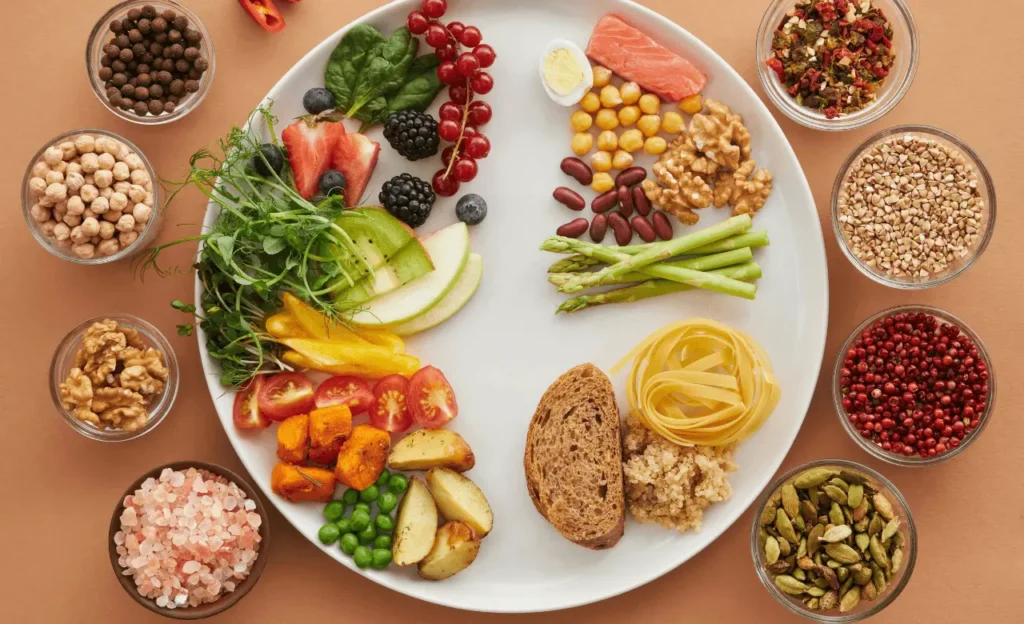
For many patients, calcium is the first thing that comes to mind when they think about keeping their bones healthy. But calcium does not work alone. Without adequate vitamin D and other supporting nutrients, even a calcium-rich diet may not provide the support your bones need.
Nutrition is one of the cornerstones of natural osteoporosis treatment, since bones require a wide range of nutrients to maintain their strength and structure.
In addition to calcium and vitamin D, I pay close attention to:
- Magnesium and vitamin K2 (particularly the MK-4 form), which help the body properly utilize calcium and have been shown to support bone formation and regeneration.
- Protein and collagen, which provide the structural framework that gives bones their strength. While many people think primarily of animal protein, collagen is an equally important component of healthy bone tissue and plays a vital role in maintaining bone integrity.
On the food side, I encourage patients to focus on nutrient-dense foods such as leafy greens, fish with bones, nuts, seeds, legumes, and fermented dairy if tolerated. I also encourage foods rich in collagen and the nutrients needed to support its production.
I also remind patients that what we limit can be just as important as what we add. Excessive alcohol, refined sugar, highly processed foods, and too much caffeine have all been associated with poorer bone health.
Strong bones are built through consistent daily habits, not a single supplement.
Movement as Medicine for Your Skeleton

Exercise is one of the most effective tools we have for preventing and managing osteoporosis. Weight-bearing activities help stimulate bone-building processes and maintain strength over time.
Regular exercise remains one of the most evidence-based components of osteoporosis treatment, helping stimulate bone formation and maintain skeletal strength.
In my practice, I encourage patients to find forms of movement they genuinely enjoy, because consistency over the years matters far more than intensity over a few weeks.
Ideally, a routine should include:
- Weight-bearing forms of movement, including walking and hiking
- Resistance or strength training
- Exercises that improve balance and coordination to support fall prevention
One of the most serious complications of osteoporosis is a fracture caused by what might otherwise seem like a minor stumble. In my practice, I view regular movement as one of the most powerful ways to support bone health and reduce the risk of fractures later in life.
The Hormonal and Digestive Picture

In naturopathic care, we rarely look at bone health in isolation from the rest of the body. Two areas that often deserve attention are hormones and digestive health, both of which can have a significant impact on how well your body maintains strong bones.
Hormonal balance and digestive health are often overlooked aspects of osteoporosis treatment, yet both can significantly influence bone remodeling and nutrient absorption.
Estrogen is one of the key hormones involved in protecting bone health in women. As estrogen levels decline during perimenopause and menopause, bone loss tends to accelerate, making these years especially important for prevention and support. Rather than viewing this as inevitable, I work with patients to support hormonal balance through nutrition, lifestyle changes, herbal medicine, and, when appropriate, individualized discussions about bioidentical hormone therapy.
I also pay close attention to stress. Ongoing stress can lead to persistently high cortisol levels, which may gradually affect bone health. That is why stress management is not simply a lifestyle recommendation, it is an important part of supporting long-term bone health.
Addressing stress and cortisol levels is an important part of a comprehensive osteoporosis treatment strategy, particularly for individuals experiencing hormonal changes.
Another piece of the puzzle that is often overlooked is the gut. Your body can only benefit from the nutrients you are able to absorb. If digestion is impaired or certain medications interfere with nutrient absorption, even a healthy diet and supplements may not provide the support your bones need. Supporting gut health is often a foundational step in a comprehensive approach to maintaining strong bones.
The Importance of Personalized Testing
One of the principles I emphasize in my practice is that there is no one-size-fits-all approach to bone health. Evaluating factors such as vitamin D levels and hormones can help guide a more personalized plan, since what works for one person may not be what another person needs.
Ultimately, I believe the best results come from combining thoughtful testing with targeted support and sustainable lifestyle habits. Bone health is not about finding a single miracle supplement, it is about supporting the whole person.
Conclusion
Bone is not static, it is constantly responding to the signals you send it through what you eat, how you move, how you sleep, and how you manage stress. Whether you are in your forties building a strong foundation before menopause, or in your sixties navigating a diagnosis alongside conventional treatment, it is genuinely never too late to make a difference.
If you’ve received a low bone density diagnosis or simply have questions about protecting your bones, I would be glad to work with you to understand the full picture and create a personalized osteoporosis treatment strategy that supports your long-term health.
-Dr. Korza
Your bones are worth the conversation. Schedule a consultation, and together we can develop a personalized osteoporosis treatment plan that supports your long-term bone health.